

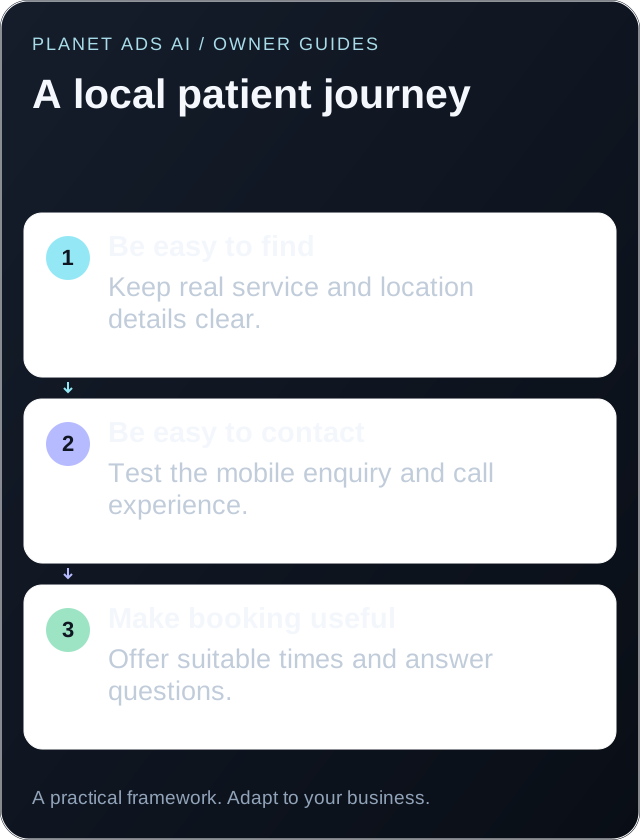
To get more dental patients in your local area, make the practice easy to find, easy to understand and easy to contact. Then make sure the team can turn that first enquiry into a suitable appointment. More visibility helps only when the rest of that journey works.
You do not need to start by promoting every treatment or publishing dozens of blog posts. Choose a service you want to grow, identify where enquiries are being lost and improve that part of the process first.
Decide which patients and appointments you want more of
A general new-patient examination, an emergency visit and an implant consultation have different booking paths. Define your priority around an actual service and available capacity, not just the highest treatment price.
Ask your practice manager:
- Which appointments can we accommodate over the next several weeks?
- Which providers and locations have suitable availability?
- Which enquiries are we already receiving but failing to book?
- What practical questions do prospective patients ask most often?
- Who owns the first response and the callback queue?
If the practice wants more implant consultations, confirm that the coordinator and assessment appointments are available. Advertising interest that the team cannot handle may create frustration rather than growth.
For a focused treatment plan, read the guide to attracting dental implant patients with Meta ads. This article covers the broader local patient journey.
Find out whether the problem is visibility or conversion
Look at the last available period of reliable data. Review website enquiries, phone calls, booked appointments and attendance together. Separate existing-patient requests, duplicates and administrative calls from new-patient opportunities.
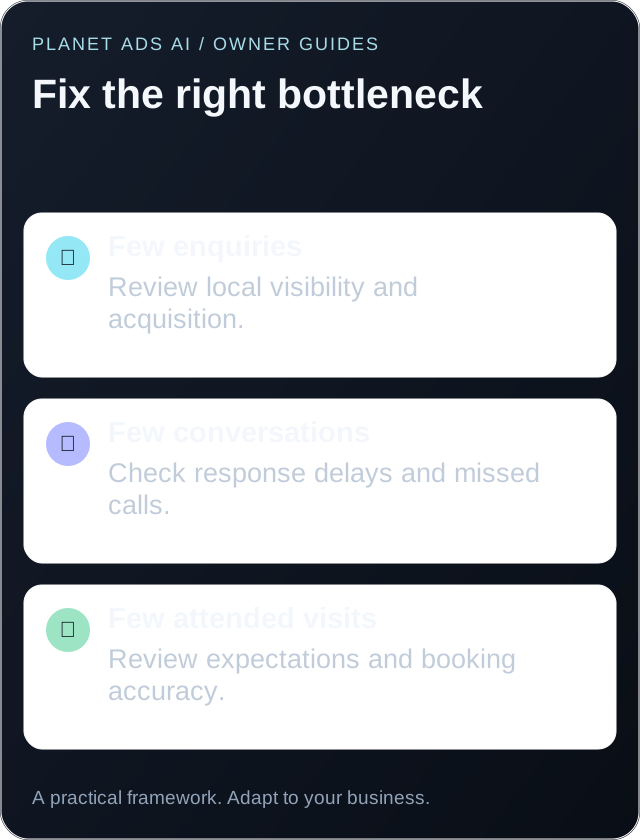
| What you observe | What to investigate first |
|---|---|
| Few relevant people reach the practice | Local visibility, service information and advertising options |
| People visit the site but rarely contact you | Trust, mobile usability, service clarity and contact options |
| Enquiries arrive but staff cannot reach people | Response timing, contact accuracy and callback ownership |
| Conversations happen but appointments do not | Availability, unanswered questions and the consultation offer |
| Bookings increase but attendance does not | Expectations, confirmation details and rescheduling |
This prevents spending more on the wrong problem. If the practice consistently misses calls, reception may be the first investment. If reception works well but suitable enquiries are scarce, acquisition deserves attention.
Make your Google Business Profile accurate and useful
Check the practice name, address, contact number, category, opening hours and appointment link. Update holiday hours and verify that the booking destination works on a phone. Add authentic practice photos that help a prospective patient recognize the location and understand the setting.
Google explains that local results consider relevance, distance and prominence. Its official local ranking guidance recommends keeping business information complete and accurate. You cannot control the searcher’s location or pay Google for a better organic local ranking.
Focus on information that helps a real patient choose and visit. Do not add treatment keywords to the business name if they are not part of its real name. Keep your public contact details consistent and correct across the places where patients find the practice.
Give each important service a clear page
A patient considering implants needs different information from someone seeking a routine check-up. A useful service page explains the consultation, the team, the location and how to take the next step. It should answer practical questions without attempting to diagnose the visitor.
Include relevant, approved information such as:
- What the service or consultation is for.
- Who at the practice provides the assessment.
- What happens during the first visit.
- How individual suitability and treatment planning are decided.
- What pricing information the practice can responsibly publish.
- Where the practice is and how to contact it.
Use the language patients understand. Avoid stacking variations of “best dentist near me” into a paragraph. Mention the real location naturally and provide useful details such as access and parking where relevant.
Do not create nearly identical pages for every surrounding town. A page should have a genuine reason to exist and useful information beyond a changed place name. Google’s people-first content guidance emphasizes helping the reader rather than writing to a preferred word count.
Make the first contact simple on mobile
Open the website on a phone and try to request an appointment. Can you find the service, understand the next step and contact the practice without hunting through menus? Does the phone link call the correct number? Does the form clearly explain what happens after submission?
Keep the initial enquiry form focused. Ask for the details needed to respond and route the request. Detailed clinical intake belongs in the practice’s approved process, not a general advertising form.
Avoid offering a booking experience that looks confirmed when it only creates a request. Use clear language such as “Request an appointment” when staff must confirm the time. If direct booking is available, show accurate appointment types and availability.
Choose advertising around the patient decision
Google Search Ads can reach people actively searching for a local dentist or treatment. Meta ads, including Facebook and Instagram placements, can introduce the practice and explain a consultation to people who may not yet be searching by name.
Neither channel is automatically the best for every practice. Your service, market, budget, creative material and reception capacity affect the decision. The Google Ads vs Meta Ads guide for dentists explains the tradeoffs.
Start with a focused offer and a page that continues the same message. Do not advertise one type of consultation and send every visitor to an unrelated homepage. Give the front desk the same approved information so the first conversation matches what the person saw.
If you outsource the work, use the dental marketing agency selection guide to compare responsibilities, fees and reporting before signing.
Answer the calls you already receive
A missed call may be a new patient, an existing patient or an administrative request. Track the reason and outcome rather than treating every unanswered call as lost revenue.
Give callbacks a named owner. Check lunch breaks, busy periods and the end of the working day, when coverage may be less consistent. If staff cannot answer, explain the next step accurately and avoid a vague promise that nobody monitors.
AI Reception for a dental office can support approved routine answering, booking and routing where properly configured. It needs clear clinical boundaries and a reliable human path. It does not replace the dental team’s judgment or create appointments that the practice cannot accommodate.
For evening enquiries, the after-hours dental answering guide covers booking rules and the morning handoff.
Build trust with genuine patient experience
Use authentic feedback only with the permissions and context required for your practice. Do not invent reviews or turn a patient’s personal outcome into a promise for everyone. Respond to public feedback without revealing private patient information.
Recommendations also depend on what happens inside the practice. Clear explanations, accurate appointment details and respectful follow-up make it easier for patients to recommend you. The ADA’s internal marketing guidance discusses the role of relationships and word of mouth.
Your website should show the actual team, real premises and a clear process where you have approved material. Specific, credible information is more reassuring than broad claims of being the best.
Use a practical four-week improvement plan
Week 1: Establish the baseline
Choose the priority service and review enquiries, calls and appointments. Correct inaccurate opening hours, broken contact links and obvious booking problems. Agree on who owns new enquiries and how outcomes will be recorded.
Week 2: Improve the patient journey
Update the priority service page and the initial response script. Make the consultation process clear and test the mobile enquiry experience. Resolve discrepancies between the website and what the front desk tells callers.
Week 3: Address the largest gap
If relevant traffic is low, evaluate a focused acquisition campaign. If calls are missed, improve coverage. If conversations fail to become bookings, review unanswered questions and availability. Pick one main change that you can evaluate.
Week 4: Review evidence and choose the next step
Look at actual enquiry outcomes, not only website traffic. Separate observations from assumptions and record what still needs time. Four weeks can reveal operating problems, but it is not a promise of organic rankings or a complete treatment-revenue result.
Measure patient growth in a way your team can use
Track relevant enquiries, successful conversations, confirmed appointments and attended visits. Where reliable and appropriate, connect those groups to later treatment outcomes. Keep costs clear by separating advertising spend, management and other agreed work.
Review a few unsuccessful enquiries each week. Their questions often identify the next improvement more clearly than another dashboard chart. A patient may need an available evening appointment or a clear consultation explanation, not another reminder.
If you want help turning this into a focused plan, explore Advertising and AI Reception for dental clinics, check starting prices or request a scoped 2-month pilot.